Harness racing has a rhythm all its own, and at the heart of that rhythm is the Standardbred horse. These athletes are the reason harness horse racing keeps pulling crowds, combining strength, stamina, and a steady mind in a way that sets them apart from other racing horse breeds. For bettors, understanding the Standardbred is more than trivia. It is a practical edge. From their beginnings to their dominance on today’s tracks, Standardbreds shape how races unfold and how wagers land, making them the true backbone of the sport.
1. The Standardbred: The Racing Horse Breed Behind Harness Racing
The Standardbred is woven into the history of harness horse racing. The bloodline traces to the imported Thoroughbred Messenger and, most notably, to Hambletonian 10, the stallion whose influence still runs through the breed. Unlike many racing horse breeds that were shaped for galloping or short sprints, Standardbreds were purpose-bred to trot or pace with reliable rhythm and staying power. That intention shows up every night at the track. It is why bettors who study harness racing horses can lean on gait, cadence, and consistency as real handicapping anchors.
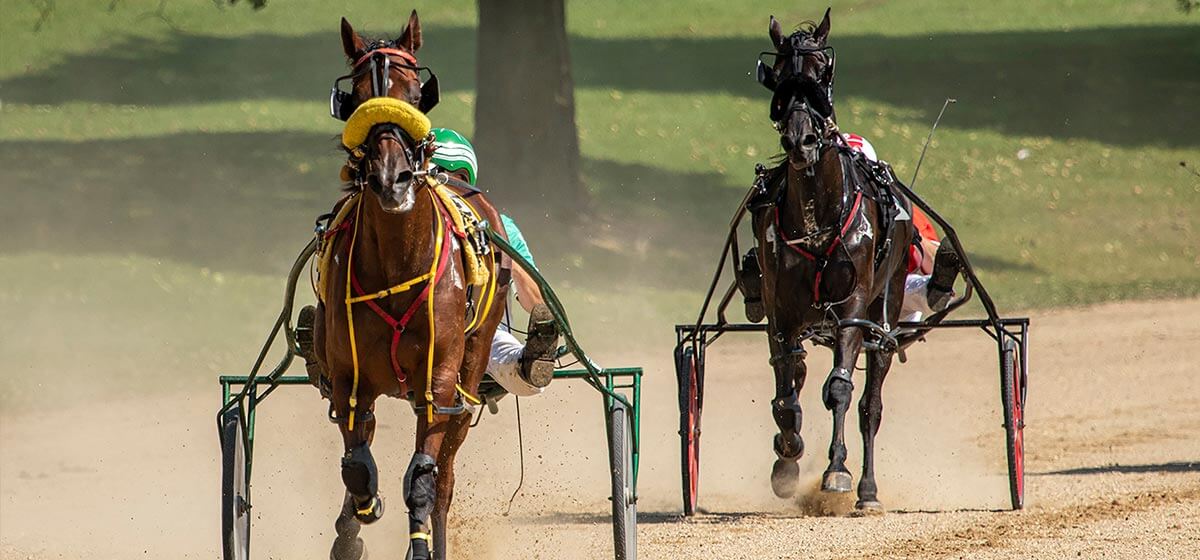
In North America, pacers make up most fields, often close to eight out of ten races. Pacers typically wear hobbles that help keep the stride smooth from gate to wire. That steadiness reduces costly breaks in stride, which is a major reason many bettors favor pacers when building tickets. Trotters offer a different challenge. Their diagonal gait demands balance and accuracy, and that nuance can reward players who watch replays and note which trotters hold form late. Either way, knowing whether a horse is a trotter or pacer is step one for anyone serious about handicapping.
Standardbreds also look the part. They are heavier boned than Thoroughbreds, with deep shoulders and strong hindquarters that help them pull a sulky efficiently over a mile. The build supports frequent racing across long meets, and many remain competitive into their late single digits. That longevity means more past performances, more replays, and more reliable patterns for bettors to study. Registration and regulation through the U.S. Trotting Association add another layer of trust to what you see on paper and on the track.
2. Why Standardbred Horses Dominate Harness Horse Racing
Standardbreds dominate harness horse racing because they do the little things right, over and over. The first is gait. A clean, steady pace or trot keeps races orderly and outcomes closer to form. Breaks happen, especially among trotters, but not with the frequency that would chase bettors away. Instead, the consistency of gait gives handicappers a fair shot at turning good notes into good tickets.
Temperament is the second pillar. Standardbreds are famously manageable, which matters more than it might seem. Horses that stay composed in the score-up and respond to the driver around the turns are less likely to blow the race before it starts. For bettors, that steadiness shifts attention to factors that are easier to measure, like recent form, post position, class moves, and driver changes. It becomes a handicapping game built on signals rather than guesswork.
Durability is the trait that keeps the engine running. Standardbreds often race every seven to ten days in season. That cadence fills betting pools and gives players fresh data. A horse that raced last week is not a mystery; you can see how it finished, how it came out of the race, and whether the figure holds up against tonight’s group. The breed’s sturdy legs and efficient stride also lower the risk of catastrophic injury, which keeps fields intact and creates continuity for sequence bets.
Pacers, in particular, fit how many bettors like to play. Their smoother stride tends to produce fewer surprises and clearer trip notes. That stability allows players to lean into Exacta and Trifecta structures and to build horizontal plays like Pick 4 and Pick 5 tickets with confidence. When you combine reliable gait, composure, and the ability to bounce back quickly, you get the very qualities that make harness racing horses a bettor’s sport.
3. How Standardbred Horses Compare to Other Racing Horse Breeds
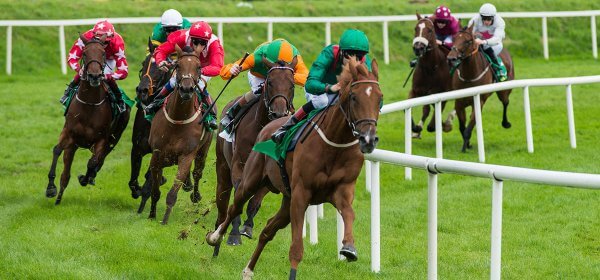
Comparing Standardbreds with other racing horse breeds helps clarify what to look for at the windows. Thoroughbreds are built for galloping speed and dramatic finishes. Handicapping flat races often revolves around pace pressure, late kick, and distance changes. Standardbreds, by contrast, run a near-uniform mile that rewards rhythm and repeatable patterns. That difference nudges bettors toward reading form cycles, driver intent, and post draw impact rather than trying to decode large distance swings.
Quarter Horses offer another useful contrast. Their races are short and explosive, sometimes decided in a blink. There is little room for tactics. Harness horse racing lives in the middle ground where strategy matters. Drivers can float to a spot, press the issue down the backstretch, or angle for a lane in the final turn. Bettors who enjoy reading trips will find more to work with in a Standardbred mile than in a pure sprint.
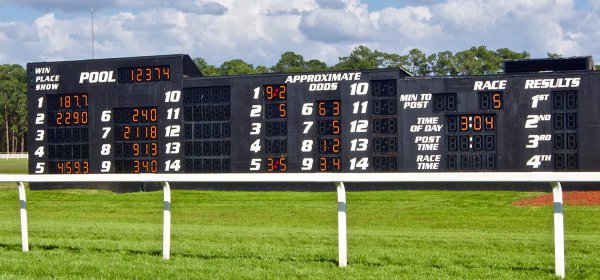
Those differences show up at the betting window. While Win, Place, and Show remain staples everywhere, harness players often chase value in Exacta and Trifecta combinations and in multi-leg sequences like the Pick 4 and Pick 5. The uniform one-mile distance also tightens comparisons. A horse’s last mile time, final quarter, and trip notes translate more cleanly from race to race than what you see across the varied distances in flat racing.
Finally, reliability matters. Standardbreds tend to race more often and suffer fewer career-ending injuries. More starts mean clearer reads on current form, and clearer reads make for stronger opinions. For players shifting from Thoroughbred or Quarter Horse action, embracing the Standardbred emphasis on rhythm, repeatable trips, and driver tactics is the quickest path to sharper harness wagering.
4. Endurance and Strength: Key Traits of Harness Racing Horses
Endurance is where Standardbreds separate themselves. Many will rack up 30 to 40 starts in a season, which is a gift for handicappers. That volume produces a steady stream of data points. You can track how a horse handles a class rise, whether it finishes its miles with energy, and how it responds to a driver change. Patterns appear quickly, and patterns are the lifeblood of smart betting on harness racing horses.
The final quarter tells the truth. Watch replays and you will see that many races are decided from the three-eighths pole to the wire. Horses that hold their speed through the lane, even while parked or dealing with pressure, are the ones to circle next time. That late strength often reflects sound legs and durable hooves, two traits that help Standardbreds maintain form across long campaigns. Where some breeds cycle in and out quickly, Standardbreds often carry good form through an entire meet.
Adaptability adds another angle. Standardbreds tend to handle off tracks better than many gallopers. When the surface turns muddy or the temperature drops, the gait and mindset of the breed often hold up. Bettors who keep notes on which barns and which individuals thrive in those conditions can find value when others step aside.
Do not ignore the qualifying sheet and training reports. Qualifiers can reveal fitness levels after a short freshening or show whether a trotter is staying flat. When a horse posts a sharp mile in a qualifier and lands a favorable draw, you have a credible signal. Stack that with consistent late splits and a driver upgrade, and you are working with a profile that translates into tickets. Endurance and strength do not just win races. They create the reliable patterns that handicappers rely on week after week.
5. The Role of Standardbreds in the Growth of Harness Racing
Standardbreds did not just join harness horse racing. They built it. In the 19th century, as organized competition took shape across North America, the breed’s reliability made pari-mutuel wagering workable and attractive. Horses that could race often and stay sound filled programs and kept fans coming back. That steady supply of races is the foundation on which betting markets grow.
Iconic venues tell the story. Roosevelt Raceway helped turn night racing into an event. The Meadowlands became a proving ground where form and class met deep pools and sharp bettors. Those stages needed durable horses who could answer the bell week after week. Standardbreds delivered. The result was a sport that produced enough volume and consistency to support Win, Place, and Show action along with Exacta, Trifecta, Pick 4, and Pick 5 plays that keep modern bettors engaged.
The breed’s reach is global. In Europe, trotting rules the calendar, while in North America pacers dominate most cards. Players who explore international pools benefit from understanding that difference. A strategy tuned to North American pacers may need tweaks when applied to European trotting stakes, where gait purity and late acceleration can carry more weight.
Economically, the picture is straightforward. Frequent starts produce full fields and reliable schedules. Reliable schedules support broadcast windows, simulcast networks, and online platforms that offer harness horse racing every week of the year. The system works because the horses do. When you trace the health of the wagering market back to its source, you land on the same conclusion every time. Standardbreds are the engine that keeps the sport moving forward.
6. From Track to Training: The Versatility of Standardbred Horses
A Standardbred’s value does not end at the finish wire. After racing, many move easily into second careers. Their calm minds and workmanlike attitudes fit well in pleasure riding, trail riding, lower-level sport disciplines, and driving. Years of listening to a driver, standing quietly, and responding to cues translate into safe, reliable partners for riders and drivers outside the racetrack. That versatility helps the breed’s reputation and strengthens public support for harness horse racing.
Aftercare programs complete the circle. Many are supported in part by wagering dollars and industry partnerships, which means players help fund the transition from stall to new home. Retraining focuses on basics like saddle work, bending, and balance, and Standardbreds usually take to it quickly. For bettors, it is satisfying to know the sport’s ecosystem includes a clear path for life after racing.
Standardbreds also serve as ambassadors. You will see them at fairs, clinics, youth programs, and therapeutic riding centers, where their steady nature shines. These horses introduce new fans to the sport and remind longtime players why they fell in love with it. The same qualities that make them dependable in a mile race make them trusted partners in the community.
When a horse that once won a Pick 4 single at The Meadowlands later carries a child on a quiet trail, it tells the full story of the breed. Strength, patience, and a willing nature carry over from one chapter to the next. That is the lasting value of the Standardbred. It is the athlete that built harness horse racing and the partner that keeps representing the sport long after the last charted mile.