Harness racing looks like speed and noise from the grandstand, yet the winning moves are whispered through touch, timing, and trust. Drivers guide a thousand pounds of athlete with lines, voice, and a measured rhythm that keeps a pacer rolling or a trotter square. Learn to read that conversation and you will recognize intent before the rest of the crowd, which is the edge that turns a good opinion into a confident wager. This guide breaks down the real, observable cues of harness racing communication and shows how to turn them into smarter bets and sharper trip notes.
1. Harness Racing Communication 101: Lines, Voice, and Allowed Aids
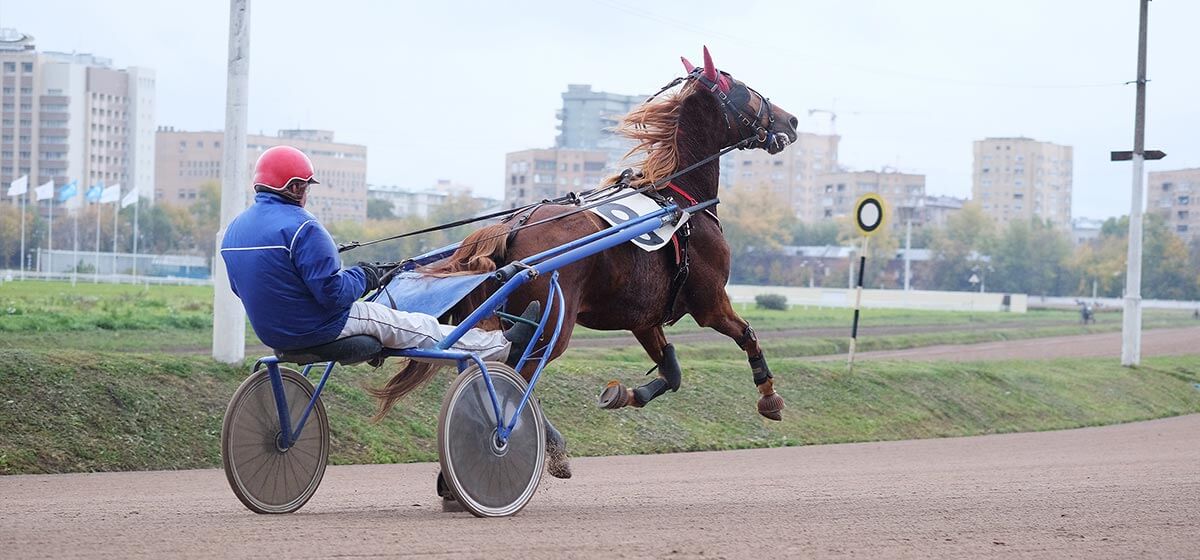
Harness racing communication starts with the lines. The driver’s hands create a steady frame, then tiny changes do the talking. Close the fingers a notch and the cue is settle, soften the grip and the cue is open your stride. Voice backs up the same messages with short, familiar sounds that horses know from training. Those clucks and calls are not theater, they cut through traffic and help a horse separate wait from go on. The third tool is the whip, and modern rules in major jurisdictions are clear about safety, rhythm, and control. The action must be measured and consistent with welfare, with defined limits on where and how it can be used. That consistency matters to bettors because it narrows what is legal and normal to see during a drive. Pacers and trotters both benefit from this framework, although the emphasis changes. Pacers thrive on smooth cadence, so even hands and regular cues preserve pace, while trotters need a calm, balanced feel to keep their gait square and avoid a costly break. Control early in the mile turns into speed late, which is why a quiet, organized first half often sets up a stronger final quarter. Track drivers known for soft hands and clean timing and you will notice their horses travel straight, save ground, and respond when asked. Quiet does not mean passive, it means precise. Precision keeps energy in the tank for the only call that matters, the one in the lane.
2. Hands on the Lines: Pressure, Release, and Straight Steering at Speed
Everything a driver wants to say mid race runs through pressure and release. Horses are masters at feeling small changes while in motion, which is why smooth, incremental cues work better than big, dramatic pulls. A light close of the fingers can steady a horse into the turn, while a small give on the straight tells that horse to lengthen. Balance between the left and right line keeps the path straight, and straightness saves ground as well as energy. Through the turns this balance is critical, because uneven tension can tip the head, wander the path, or invite cross firing. Bettors can spot trouble by watching the head and the driver’s hands together. Micro checks are normal when pace or position shifts, but repeated see sawing is a red flag. That kind of over handling often shows up as head tossing or a choppy, short stride that wastes fuel. Grip changes are valuable tells too. A quick reset of the hold at the five sixteenths or the three eighths often signals intent to advance, and if the horse is traveling straight with even breathing, that intent tends to produce momentum. Style also matters. Some drivers excel by sitting quiet and letting a natural pacer relax in the pocket, others are hands on with a hot trotter that needs steady reassurance to stay square. Neither approach is always best, the pairing with the individual horse is what counts. If you log how a specific driver manages pressure and release with a specific horse, you can anticipate efficient trips and avoid betting into wasted energy.
3. Balance in the Sulky: How Body Position Influences Gait and Pace
Hands deliver the message, body position keeps it clear. A quiet torso stabilizes the contact through the shafts so the horse feels a consistent frame rather than noise. When posture stays centered, the bit pressure remains even and the horse settles into an efficient rhythm. That steady rhythm is a core piece of harness racing communication because it lets drivers make tiny corrections without disturbing balance. Small, purposeful shifts can help a trotter steady or allow a pacer to open its stride, but those shifts are subtle and synced with the gait. In the turn, a composed body helps the horse hold the inside line, avoid drifting, and exit with speed still in the legs. Excessive leaning or fidgeting can cost a half length that never comes back. Elbows offer another window into balance. Loose yet controlled elbows absorb the sulky’s motion and keep the contact elastic, which protects the mouth from jabs and preserves straightness. Head carriage gives you feedback you can trust. A level head with soft ear flicks usually signals comfort and cooperation, while a high, fighting head over long stretches hints at tension or miscommunication. Straightness is the payoff. Horses that stay straight under a still driver meet less wind, trace a shorter path, and answer more cleanly when asked. Make a habit of tagging drivers who look still and straight under pressure. Over time you will see their horses deliver their true figure more often, which directly improves your confidence in an Exacta, a Trifecta, or a late Pick 3 that leans on their mounts.
4. Voice, Whip Use, and Rhythm: What’s Legal—and What Signals a Move
Modern whip standards put rhythm, control, and welfare at the center of race riding in the sulky. The details vary by jurisdiction, yet the shared theme is clear. Use must be rhythmic and measured, with specific limits on action and hand position, and with safety as the priority. For bettors that means the most decisive moments often happen in the driver’s hands before any visible urging appears. Voice is a powerful companion cue because horses recognize the tones they hear daily in training. Short clucks or low calls reinforce the same messages as the lines, and they work even in traffic because a familiar sound cuts through chaos. Timing decides whether the message lands. Many winning moves begin before the top of the stretch, so watch for a small grip change or a quick reset of hand position around the five sixteenths. If the horse answers by lengthening without drifting, the communication is in sync. Pre move body language helps you get ahead of the board. A brief look outside for room, a lift of the hands to gather, and a steadier cadence in the seat often arrive seconds before the launch. On the other side of the coin, you can spot the end of the rally when the driver gets busy and nothing changes. Shortening strides, an opening mouth, or lines that lose harmony usually mean the tank is near empty. The smooth drives that look almost simple are not accidents. They are the product of clean, legal cues delivered in rhythm, and they often carry a horse through tight spots that rattle lesser teams.
5. From Gate to First-Over: How Drivers Communicate at Key Race Moments
Each segment of the mile has its own language, and the break from the gate sets the tone. A sharp start is built on calm, straight travel with evenly held lines, not on a frantic grab. Drivers want position without sparking a fight with the bit, because early oxygen saved is late oxygen earned. Once the field sorts itself, the pocket becomes an exercise in patience and feel. Light contact holds the sweet spot behind the leader without climbing a wheel, so the horse stays calm and ready to answer. When sitting second over or third over, cover discipline matters. Quiet hands and a still body keep a horse relaxed and breathing while the driver watches the helmet ahead for the instant to peel. The first over grind is the sternest test of communication. It demands steady cues that support a sustained effort while protecting rhythm, especially with a trotter that could lose its square step if rattled. Quarter moves are the tactical flips that change races. A brief lift in the hands and a focused posture signal intent to brush to the front or secure a perfect seat. If the horse stays straight through the bend and the tempo stays honest, the final half often holds together. The stretch drive gathers every piece into one moment. Hands, voice, and legal whip rhythm align with the stride so the horse can extend without wandering. When you see a drive that looks smooth and simple, you are seeing elite harness racing communication. Those are the trips that hold value next week, whether you are playing a Win bet, an Exacta, or spreading in a Pick 4.
6. Bettor’s Edge: Visible Communication Cues That Predict Tactics and Trip
Your best angles come from spotting real communication before the public reacts. Start with warm ups. A level head, an elastic stride, and a quick response to light cues tell you the driver and horse are in sync. If the horse carries tension or fights simple asks, be cautious. During the mile, intent shows up in small ways long before a move is obvious. Watch for a hand reset, a gentle take on the lines, or a glance for daylight. Those actions tend to arrive a few seconds before acceleration, and if the path stays straight and the breathing looks easy, you can lean into your opinion. Learn to separate under wraps from all out by watching the driver as much as the horse. Still hands with a horse eager behind a helmet usually mean plenty left, while busy hands with no gain are the siren of an empty tank. Build trip notes that record exactly where the first ask began, how the horse answered, whether the path stayed straight, and how the cadence held to the wire. Match those notes to class and style. A nervous trotter rewards a calm hand, a strong pacer can thrive with a firmer pilot. When the pairing fits, trips get easier and prices can stay generous. Replays make this practical. Run the race at speed for the feel, then step through the three eighths, the half, and the top of stretch, pausing where cues appear. Upgrade horses that showed clean communication but ran into traffic, and forgive fades that followed balance issues early. Over a few starts these patterns turn into confident plays, whether you key a Trifecta, lean on a Daily Double, or take a simple Win ticket at the right price.